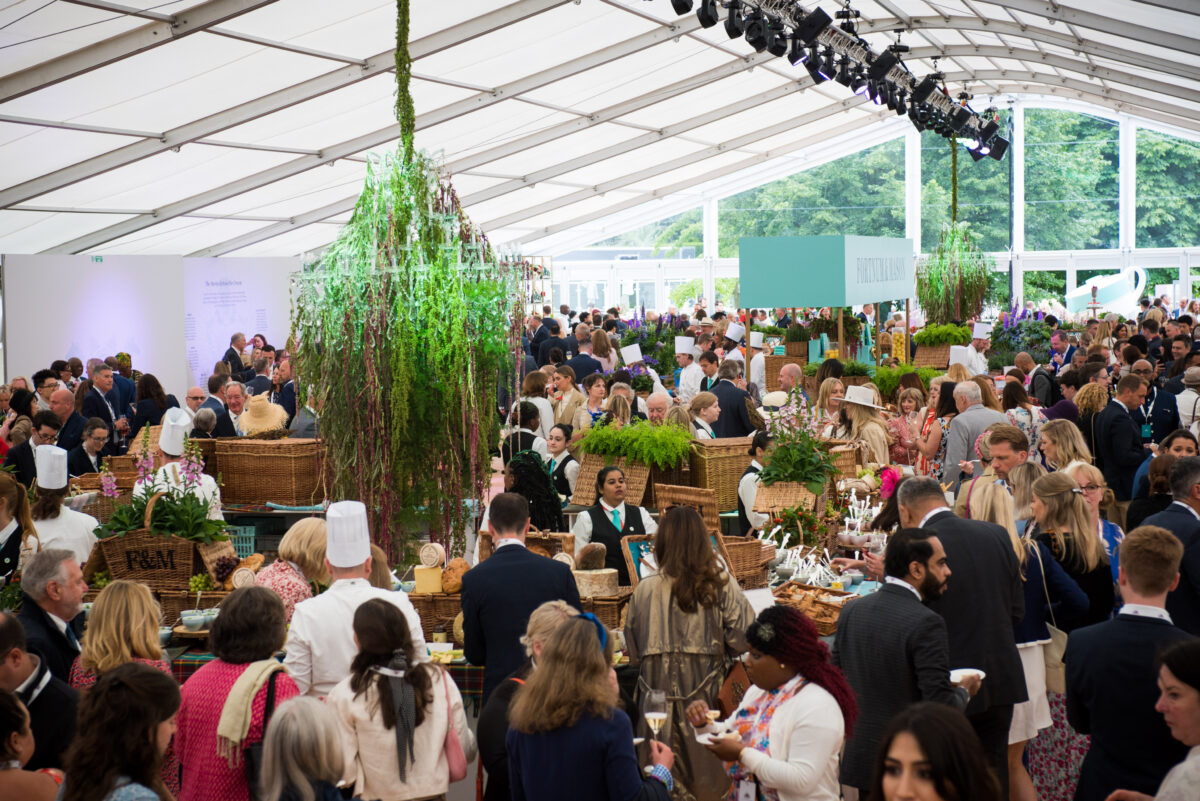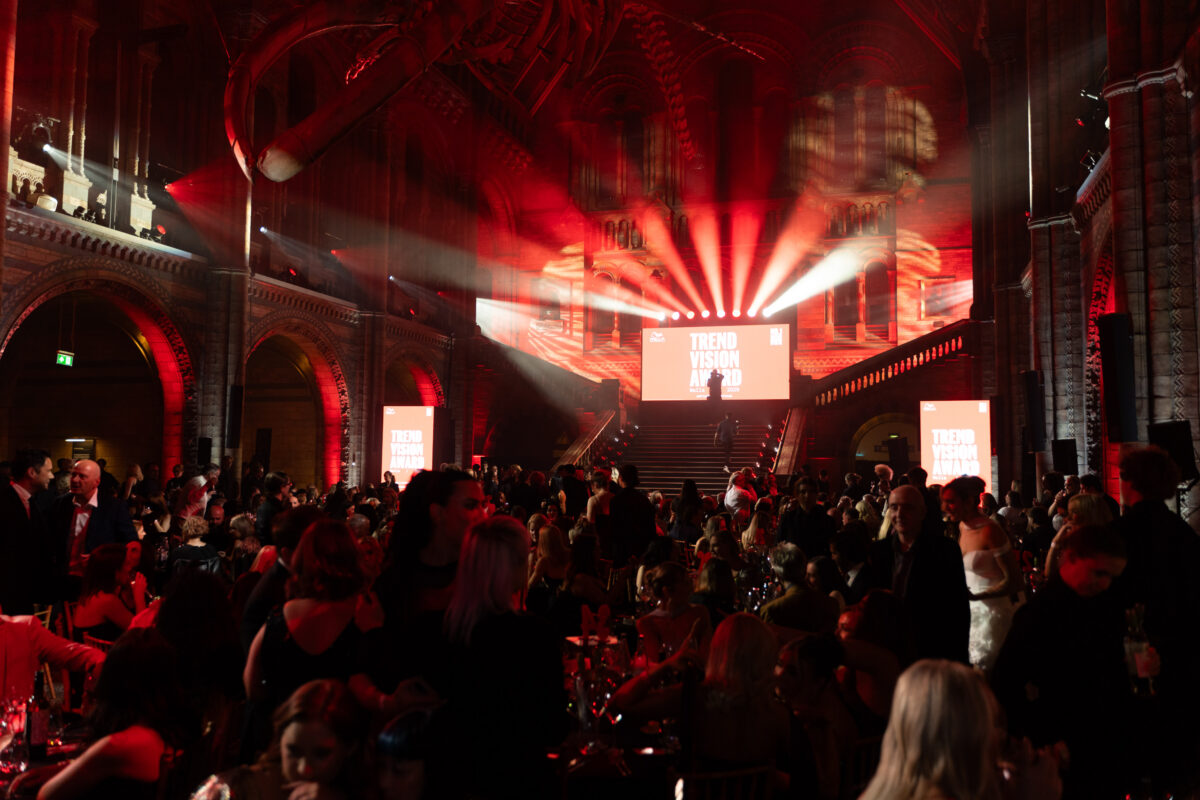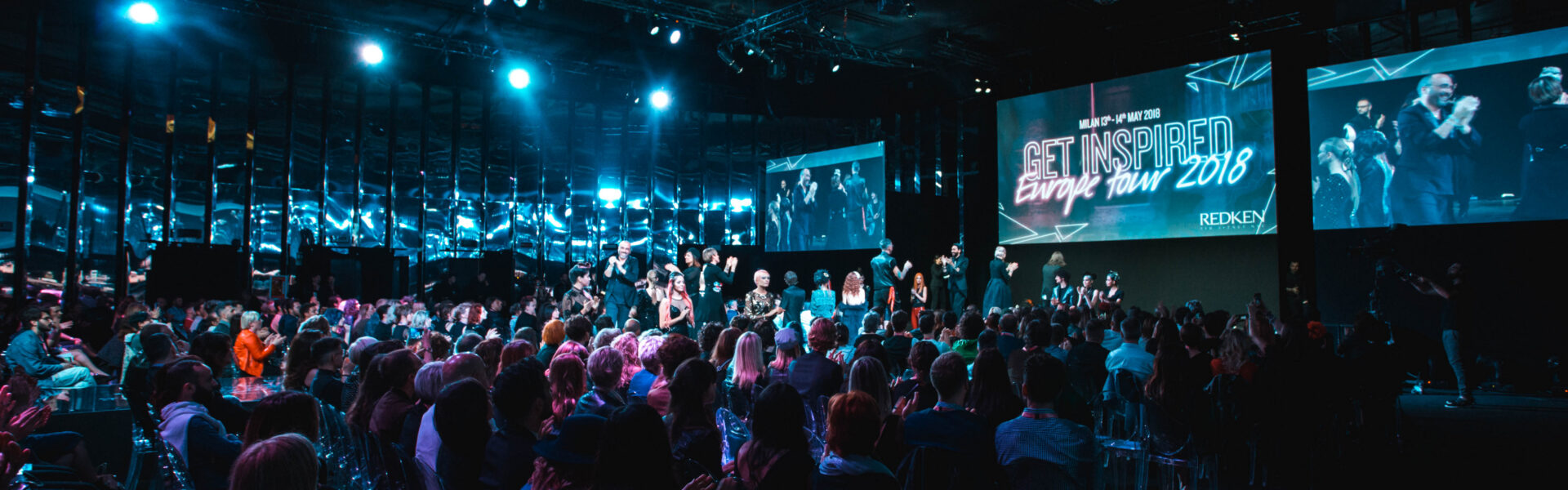
Events have evolved.
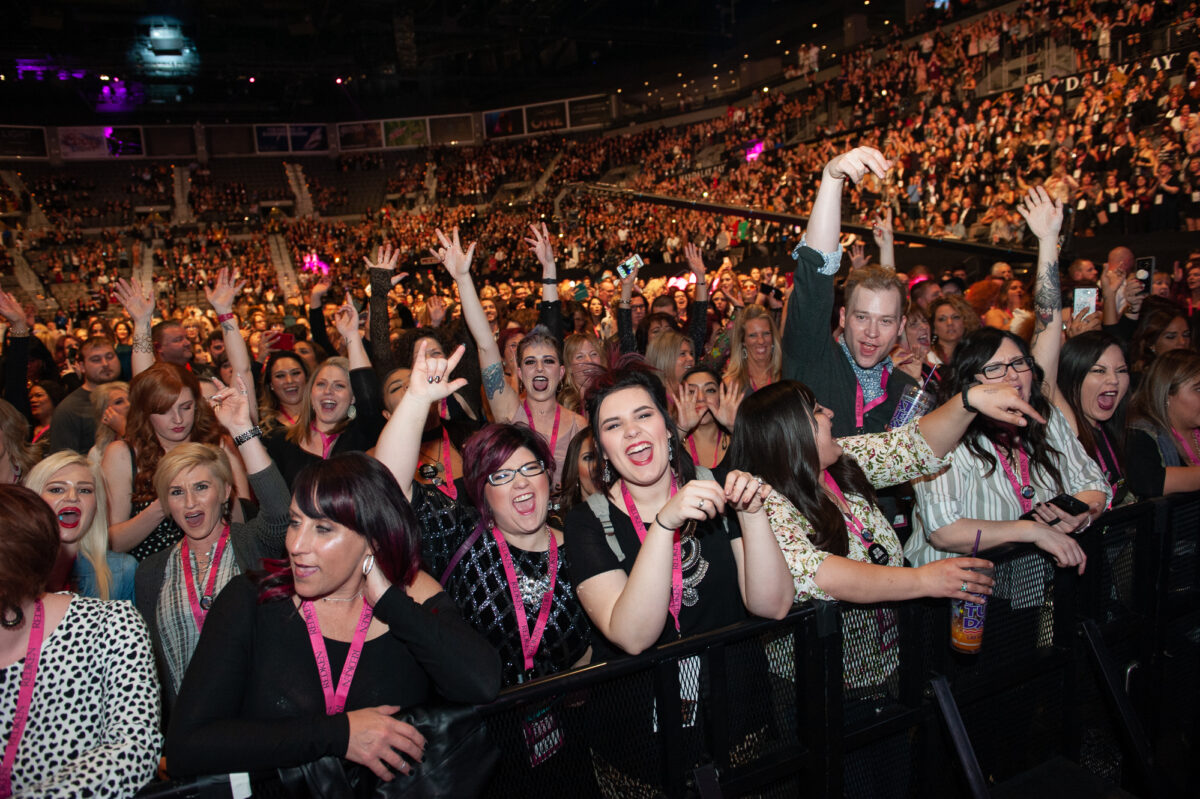
Audiences no longer attend events simply to watch, listen or observe. They expect to feel involved, immersed and connected to the experience around them.
As expectations continue to shift, creative event design has become one of the most important tools brands can use to create meaningful audience engagement.
Creative event design goes far beyond logistics, production schedules and venue dressing. It shapes how an audience experiences a brand, how they feel throughout an event and what they remember long after it ends.
At Wolf & White, creative event design sits at the heart of every project. It transforms events from functional gatherings into immersive brand experiences that create a genuine emotional connection.
What is creative event design?
Creative event design is the process of intentionally designing every element of an event experience to achieve a specific emotional and strategic outcome.
Rather than focusing solely on how an event looks, creative event design considers how it feels. Every touchpoint is carefully planned to shape audience perception, engagement and behaviour.
This includes everything from:
- event concepts
- storytelling
- spatial design
- audience flow
- sensory elements
- interactive moments
When these elements work together, they create an experience that feels cohesive, memorable and aligned with a brand’s objectives.
Where creative event design is used
Creative event design can be applied across a wide range of experiences, including:
- Experiential marketing events
- Brand activations
- Product launches
- Immersive retail experiences
- Live consumer events
- Luxury brand experiences
- Fashion and beauty events
- On-site brand activations
The result is an event that doesn’t simply communicate a message. It allows audiences to experience it first-hand.
91% of consumers report feeling more positive about a brand after attending an event or experience. This highlights the growing importance of designing experiences that actively engage audiences rather than simply presenting information.
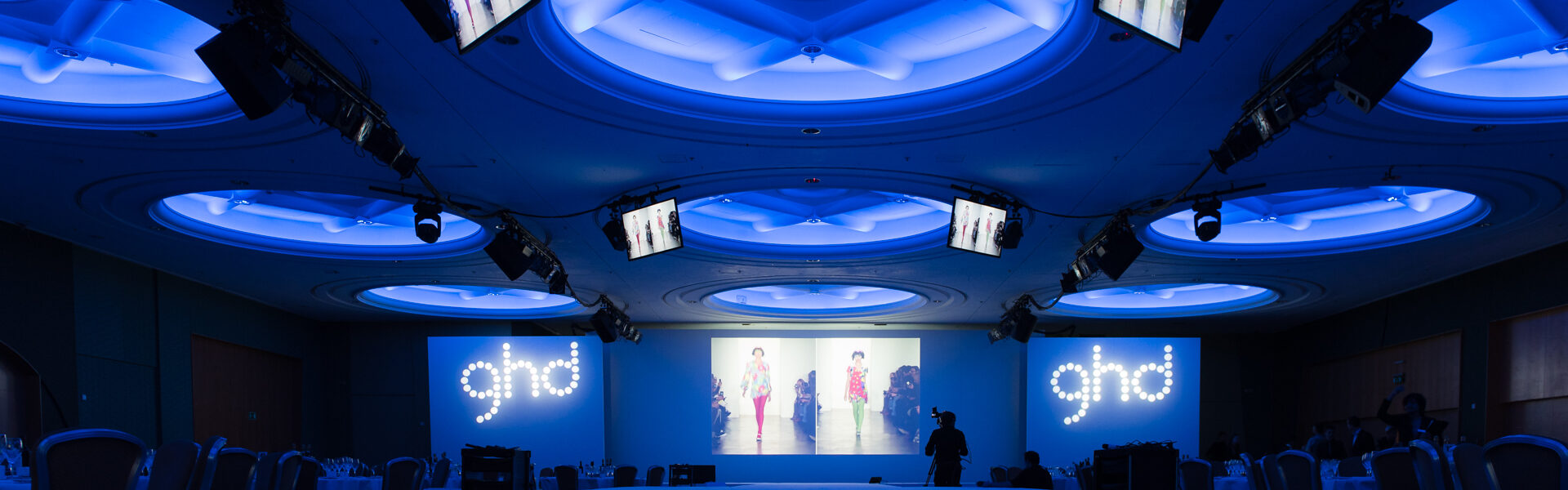
Why it matters
The way people engage with brands has changed significantly over the last decade.
Audiences are exposed to thousands of marketing messages every day, making attention increasingly difficult to capture. Traditional event formats often struggle to maintain engagement because audiences expect more than passive participation.
Today, people want experiences that feel immersive, interactive and emotionally engaging.
Event design helps brands meet these expectations by creating environments and experiences that encourage active involvement.
When an audience becomes part of an experience, they develop stronger emotional connections with a brand. These connections often lead to increased brand recall, positive sentiment and long-term loyalty.
Creative event design also plays an important role in social sharing. Experiences that feel visually striking, emotionally impactful or highly interactive are more likely to be photographed, filmed and shared online, extending the reach of an event far beyond those who attended in person.
For brands operating within fashion, beauty, luxury and lifestyle sectors, creating these moments is increasingly important. Audiences expect experiences that feel considered, premium and worthy of sharing.
The core pillars of event design
Successful event experiences are built upon several key design principles. Together, these elements shape how an audience experiences a brand throughout an event.
Concept and storytelling
Every memorable event begins with a clear creative concept.
The concept provides the foundation for every decision that follows, helping ensure the experience feels unified and purposeful.
Strong storytelling creates a narrative that audiences can follow and engage with. It gives meaning to the experience and helps reinforce key brand messages in a natural and memorable way.
Rather than presenting information directly, storytelling allows audiences to discover and experience a brand through carefully designed moments.
Spatial and sensory design
The physical environment plays a significant role in shaping audience behaviour and perception.
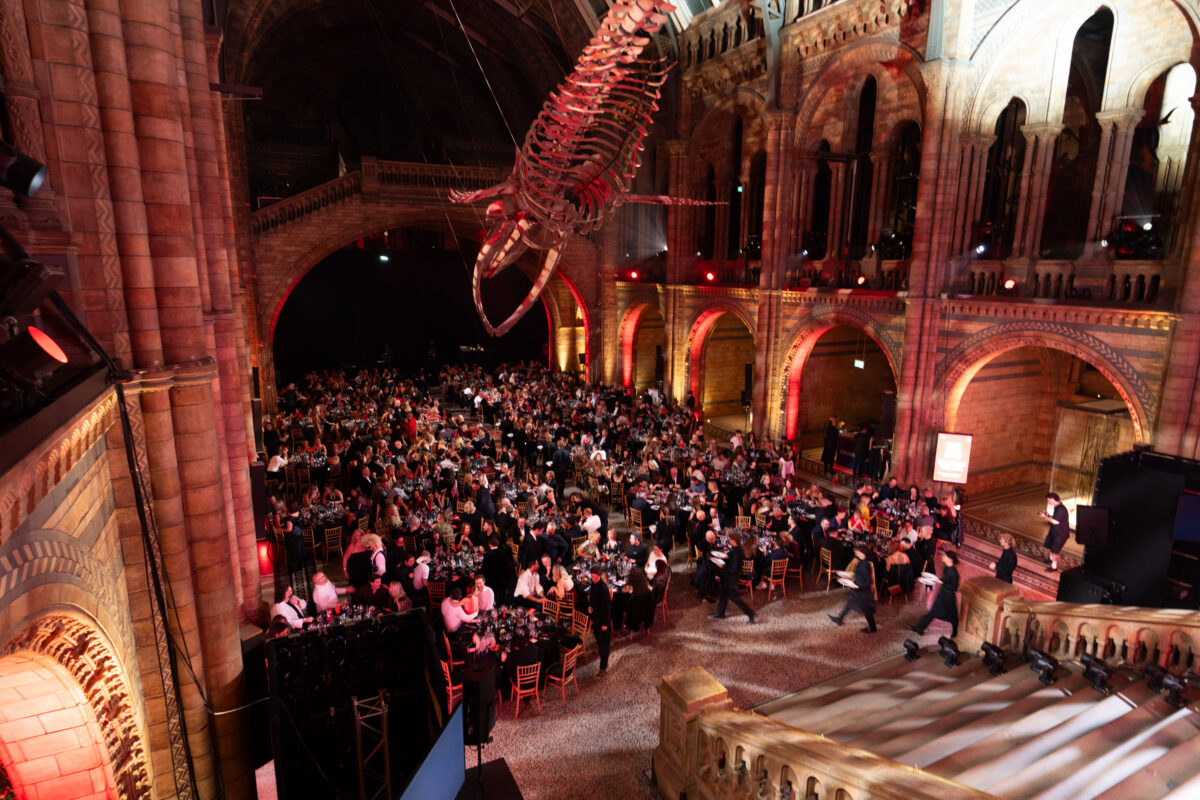
Spatial design considers how an event space is structured, how guests move through it and how different areas interact with one another.
Sensory design introduces elements such as:
- lighting
- sound
- texture
- scent
- visual atmosphere
Together, these elements influence how people feel within a space. They create mood, encourage interaction and help immerse audiences in the experience.
When executed effectively, spatial and sensory design transforms a venue into an environment that feels entirely connected to the brand.
Audience journey
Every audience member experiences an event as a journey.
From arrival and registration through to departure, every interaction contributes to their overall perception of the experience.
Audience journey design maps these interactions carefully to ensure each moment feels intentional and engaging.
A well-designed audience journey maintains momentum, avoids friction and creates a natural flow throughout the event.
It also ensures key messages are delivered at the right moments, helping maximise engagement and impact.
Interaction and engagement
The most successful events encourage participation rather than observation.
Interactive experiences allow audiences to engage directly with a brand, creating stronger emotional connections and deeper levels of involvement.
This may include hands-on activities, personalised experiences, immersive environments, technology integrations or live participation opportunities.
These moments create memorable touchpoints that help transform audiences from attendees into active participants.
Emotional impact and memory
Ultimately, the success of an event is often measured by what people remember.
Emotion plays a significant role in memory formation, making emotional impact one of the most important aspects of creative event design.
Experiences that inspire excitement, curiosity, surprise, inspiration or connection are more likely to leave a lasting impression.
By designing with emotion in mind, brands can create experiences that continue influencing audience perceptions long after the event has ended.
How event design supports brand experience
Events have become one of the most powerful ways for brands to communicate who they are.
Unlike traditional marketing channels, events allow audiences to interact with a brand in a physical, tangible environment. Event design ensures every aspect of that interaction feels aligned with the brand’s identity, values and objectives. From visual aesthetics and messaging to atmosphere and audience engagement, every detail contributes to a wider brand narrative. This consistency helps strengthen brand recognition while creating more meaningful audience connections.
For many brands, events are no longer standalone marketing activities. They have become a key extension of the overall brand experience.
How Wolf & White approach creative event design
Wolf & White approaches creative event design as the foundation of every successful brand experience.
Every project begins with a deep understanding of the client’s objectives, audience and desired outcomes. This insight informs the creative direction and helps shape experiences that feel both engaging and strategically aligned.
From concept development and creative direction through to production planning and delivery, every stage is approached collaboratively and with meticulous attention to detail.
We believe the most impactful experiences happen when creativity and execution work together seamlessly.
By combining imaginative thinking with detailed planning, we create events that feel immersive, intentional and memorable from beginning to end.
Whether delivering a luxury brand activation, an experiential marketing campaign or a large-scale live event, our focus remains the same: creating experiences that audiences genuinely connect with.
The impact of creative event design
Creative event design delivers value far beyond the event itself.
It strengthens emotional audience connections, increases engagement and creates memorable experiences that continue influencing brand perception over time.
91% of consumers feel more positive about a brand after attending an event or experience. At the same time, 72% of marketers identify events as their most effective marketing channel.
These figures demonstrate the growing importance of experience-led marketing within modern brand strategies.
When audiences feel emotionally invested in an experience, they are more likely to remember it, talk about it and share it with others.
This creates lasting value that extends well beyond the event day itself.
The future of event experiences
As audience expectations continue to evolve, creative event design will become increasingly important.
People are seeking experiences that feel meaningful, immersive and authentic. They want opportunities to engage, interact and connect with brands in ways that feel genuine and memorable.
The future of events is not defined by what people see. It’s defined by what they feel.
Brands that prioritise thoughtful, experience-led design will be better positioned to create lasting audience connections and stand out within increasingly competitive markets.
Creative event design is no longer an enhancement. It has become an essential part of how modern brands communicate, engage and inspire.
Ready to create an experience people remember?
If you want your next event to create a genuine audience connection, creative event design should be at the centre of the process.
At Wolf & White, we design experiences that are built to be felt, remembered and shared. Get in touch to discover how we can help bring your next brand experience to life.