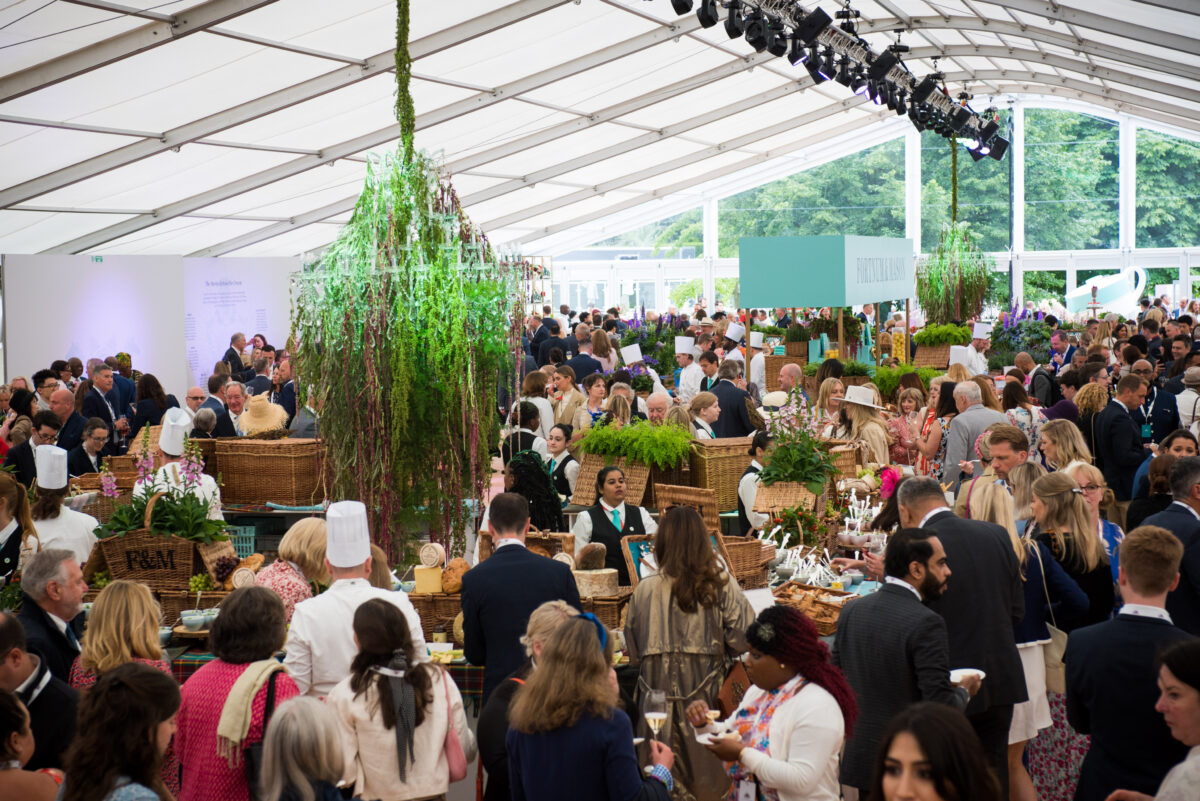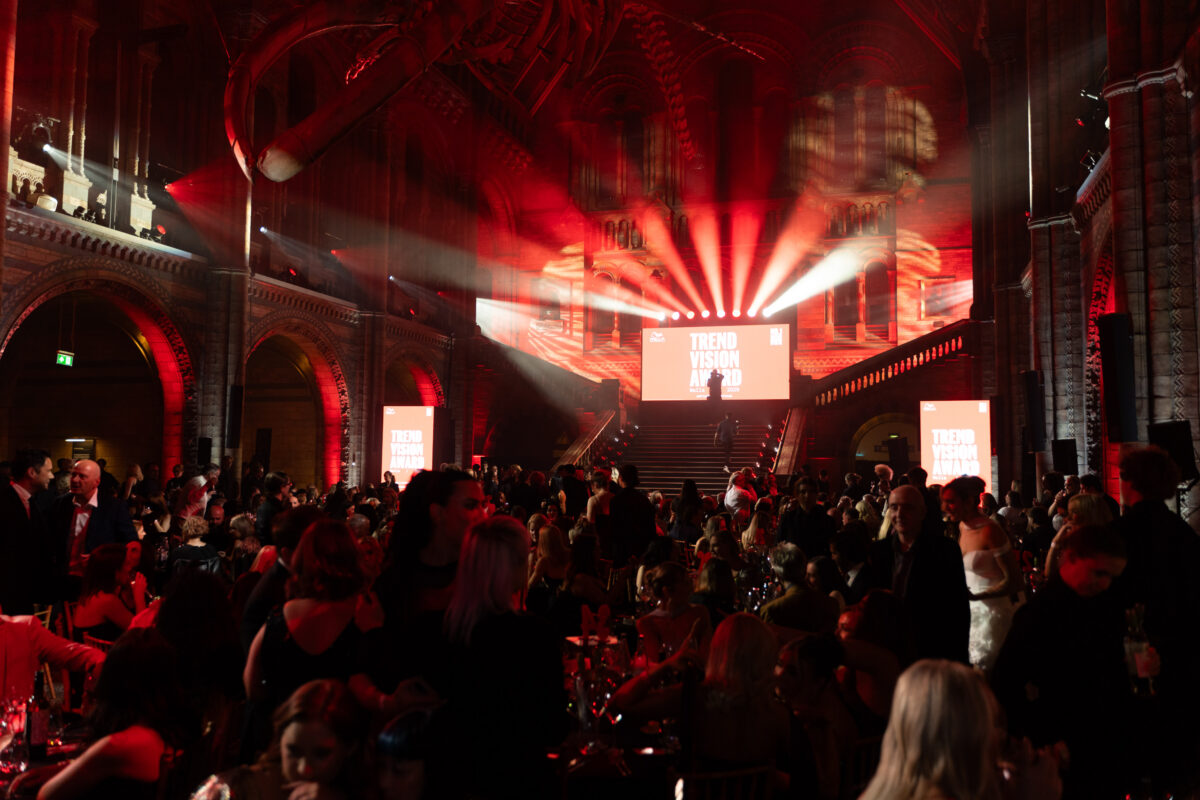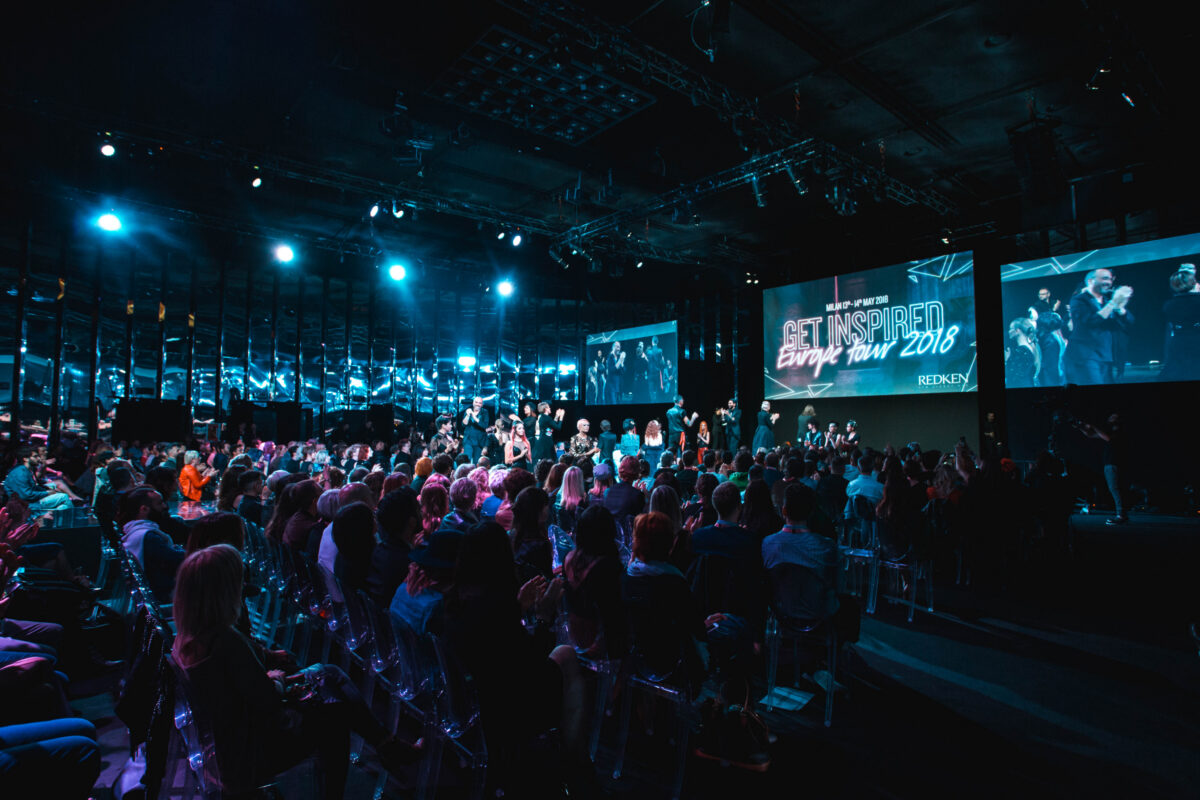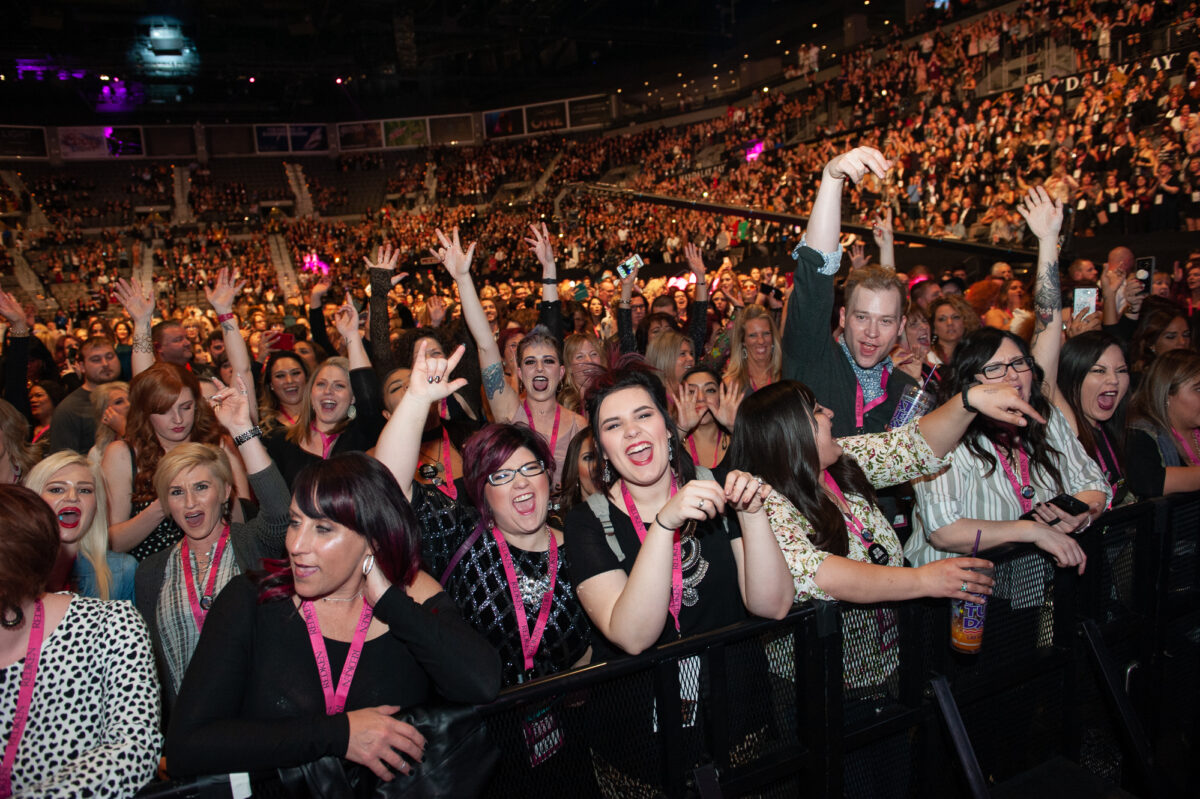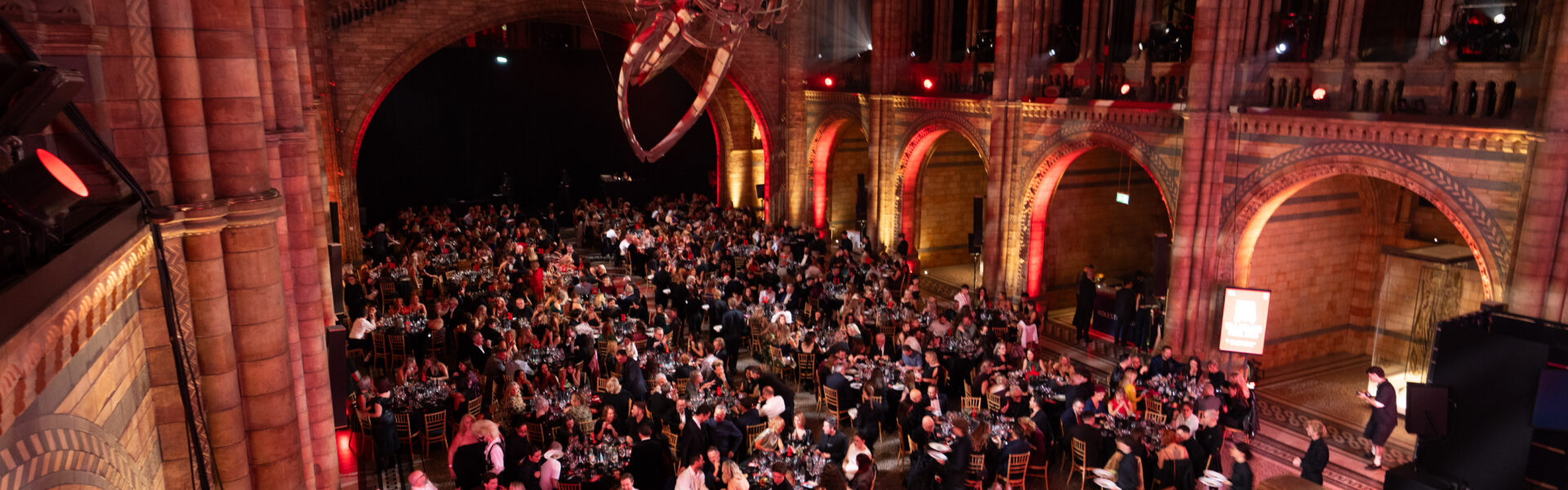
London is one of the most exciting cities in the world for live events.
From luxury brand activations and fashion launches to immersive experiences and large-scale corporate events, the city offers endless opportunities to create meaningful audience connections.
In a city filled with cultural experiences, brand activations and audience touchpoints, attention isn’t guaranteed. It has to be earned.
Successful event planning in London requires far more than securing a venue and managing logistics. It demands strategic thinking, creative direction and meticulous execution. Every decision contributes to how your audience experiences your brand.
At Wolf & White, we believe the most impactful events are built around purpose, experience and detail. When strategy and creativity work together, events become something far more powerful than a gathering. They become experiences that audiences remember.
Why event planning in London requires a different approach
London audiences are highly engaged, highly connected and constantly exposed to new experiences.
From global brand activations to cultural events and luxury launches, expectations are naturally higher. Audiences have seen impressive productions before. They expect experiences that feel intentional, immersive and worth their time.
This means event planning cannot rely on visual impact alone.
The most successful London events create meaningful engagement through thoughtful audience experiences, strategic storytelling and flawless execution.
Whether you’re launching a product, activating a campaign or hosting an exclusive brand experience, every element must contribute to a clear objective.
The difference between a good event and a memorable one is rarely accidental. It’s the result of careful planning, creative thinking and a deep understanding of the audience.
Defining your event objective
Before creative concepts, venue searches or production plans begin, you need clarity around what success looks like.
Clear objectives provide direction for every decision throughout the planning process. Without them, even the most visually impressive event can struggle to achieve meaningful results.
Different objectives require different experiences. You may be looking to:
- Increase brand awareness
- Launch a new product
- Strengthen audience engagement
- Generate content creation
- Build media coverage
- Drive lead generation
- Create customer loyalty
- Deliver an immersive brand experience
Each objective influences how the event should be designed, delivered and measured. A successful event starts with understanding exactly what you want your audience to think, feel and do.
Understanding your audience
Every audience experiences live events differently.
What resonates with a fashion audience may not connect with a luxury consumer audience. What engages influencers may differ from what excites corporate stakeholders.
Understanding your audience allows every aspect of the experience to feel relevant and intentional. Consider:
- What motivates them
- What they expect from live experiences
- How they interact with brands
- What type of content do they share
- What level of participation do they enjoy
In London, where audiences are exposed to exceptional events regularly, relevance is often more important than scale. An experience designed specifically for its audience will always create greater impact than a generic event attempting to appeal to everyone.
Creating an event mission statement
One of the most effective ways to maintain focus throughout planning is by creating an event mission statement. This acts as a guiding principle for the entire project. It should clearly define:
- The purpose of the event
- The audience
- The desired outcome
- The emotional response you want to create
Every production decision, creative element and audience interaction should support this statement. In a city where audiences are surrounded by experiences, clarity of purpose often becomes a defining factor in event success.
Strategy before creativity
London is filled with visually impressive events.
Creative production is important, but event strategy is what transforms an attractive event into an effective one.
The strongest experiences are designed around clear objectives and audience behaviour before creative ideas are developed.
When strategy leads the process, creativity becomes more purposeful.
Every visual moment, interactive touchpoint and immersive element supports a wider goal rather than existing purely for aesthetics. The result is an experience that delivers both audience engagement and measurable business outcomes.
Choosing the right London venue
A venue is never just a location.
It shapes first impressions, influences audience behaviour and sets expectations before guests even arrive.
London offers an incredible range of venue options, from industrial warehouses and historic buildings to luxury hotels and purpose-built event spaces.
The right venue should support both the practical requirements of your event and the overall audience experience.
When evaluating venues, consider:
- Accessibility
- Transport links
- Audience convenience
- Venue flow
- Capacity
- Technical requirements
- Brand alignment
- Production opportunities
A seamless guest experience starts long before the event itself begins, with transport accessibility being one of the most important factors influencing venue choice in London.
Designing an audience experience that stands out
Event design is where strategy becomes reality.
Every element of the experience should reinforce your brand identity while creating meaningful audience engagement.
The most successful London events feel immersive because every detail has been considered. This includes:
- Creative direction
- Environmental design
- Audience flow
- Visual storytelling
- Interactive experiences
- Sensory engagement
- Content creation opportunities
The goal is not simply to create something that looks impressive. The goal is to create something people genuinely experience.
Sensory engagement
Modern audiences expect more than visual stimulation.
Lighting, sound, texture, scent and atmosphere all contribute to how an event feels. Sensory design creates emotional responses that strengthen memory and increase audience connection. When these elements work together, they transform a venue into a fully immersive environment.
Designing for shareability
Content creation has become a natural part of the event experience. 98% of consumers create digital or social content while attending an event.
This means event design should consider how audiences naturally capture and share moments throughout the experience.
Shareability should never feel forced.
Instead, it should emerge from meaningful interactions, striking visual moments and memorable audience experiences.
The logistics behind successful event delivery
Exceptional experiences are built on exceptional planning.
While audiences remember the atmosphere, the creativity and the engagement, successful delivery depends on meticulous operational management behind the scenes.
London presents unique logistical challenges, including:
- Venue restrictions
- Tight production schedules
- Traffic and transport considerations
- Complex supplier coordination
- High audience expectations
- Changing environmental conditions
Strong event planning ensures these challenges never impact the audience experience.
Contingency planning
No live event is entirely predictable.
Technical issues, weather disruptions, supplier delays and operational challenges can occur unexpectedly. Contingency planning allows event teams to respond quickly and confidently without affecting delivery. The best event experiences often appear effortless because every possible scenario has already been considered.
Health and safety
Health and safety planning remains one of the most important aspects of event delivery.
Guests should feel comfortable, confident and supported throughout the experience.
Clear communication, effective crowd management and strong operational procedures help create safer and more enjoyable environments for everyone involved.
The standard of modern London events
Audience expectations continue to evolve.
Today’s event attendees expect experiences that feel personalised, immersive and interactive. Technology now plays a central role in many event experiences, supporting engagement, participation and personalisation.
At the same time, audiences increasingly value authenticity. Creative decisions should always feel intentional and aligned with the wider experience.
In London’s competitive events landscape, thoughtful execution often creates greater impact than excessive production. The smallest details frequently have the biggest influence on audience perception.
From arrival experiences and environmental design to hospitality and audience flow, every touchpoint contributes to how the event is remembered. First impressions are formed within the first 7 seconds, making these early moments particularly important.
Measuring event success
Successful events are measured by more than attendance numbers. The most valuable insights come from understanding how audiences engaged with the experience and how effectively the event achieved its objectives. Key measurements may include:
- Audience engagement
- Interaction levels
- Content creation
- Social media reach
- Brand visibility
- Guest feedback
- Lead generation
- Media coverage
- Brand recall
A positive event experience can continue influencing audience perceptions for weeks after an event concludes. This lasting impact highlights the value of investing in thoughtful experience design and audience engagement.
Why detail matters in London event planning
In a city where audiences are surrounded by experiences, details become differentiators. The most successful London events are rarely defined by scale alone.
They succeed because every element works together to create a seamless experience.
Creative direction, logistics, audience flow, venue selection and production delivery all contribute to a single outcome. An experience that feels effortless for the audience.
Behind every memorable event is a carefully engineered process designed to create emotional connection, audience engagement and meaningful brand impact.
Ready to plan your next London event?
Wolf & White is a creative production and experiential agency specialising in live events, immersive brand activations and audience experiences. We combine strategic thinking, creative direction and meticulous delivery to create experiences that audiences genuinely connect with.
Whether you’re planning a product launch, an experiential marketing campaign or a luxury brand event, we’ll help you create an experience that stands out for all the right reasons. Get in touch to discuss your next London event.