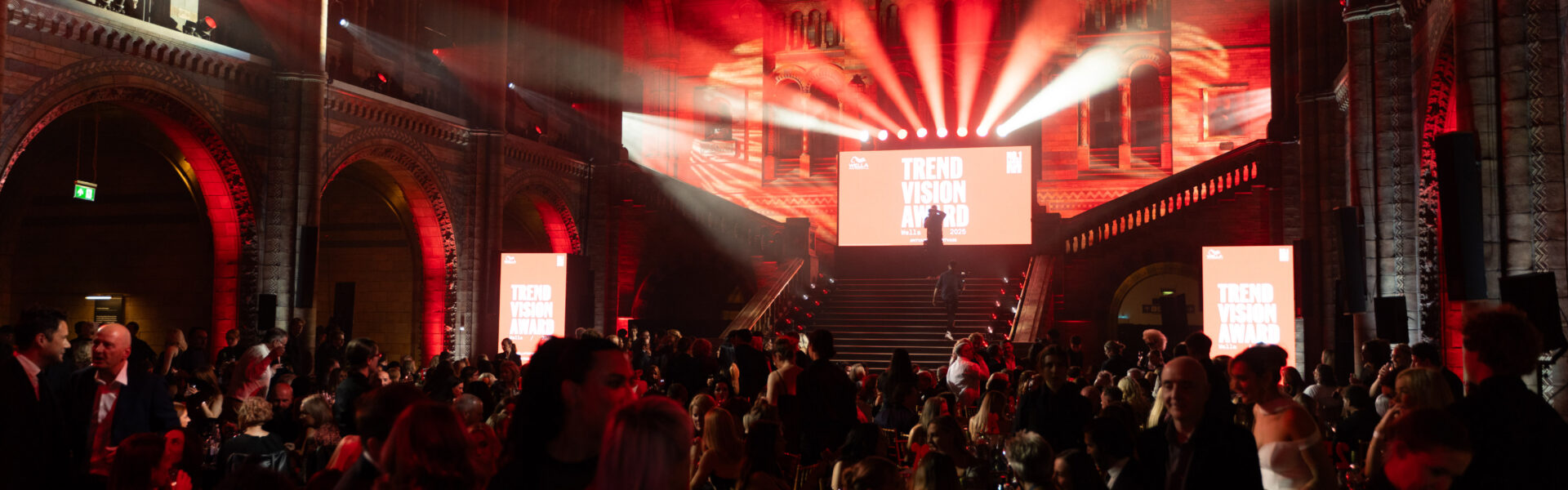
Events have changed because audiences have changed. People still value the energy of a shared space, the atmosphere of a room and the feeling of being part of something live. They also expect flexibility. They want to choose how they engage, where they join from and how the experience fits around them.
That shift has made virtual and hybrid events an important part of modern event planning. What once felt like an alternative format has become a strategic decision that shapes reach, engagement and the overall impact of an event.
For brands, the question is no longer whether digital experiences work. It’s whether a virtual event, a hybrid event or a live event will create the strongest connection with the audience.
Wolf & White designs experiences around people first. We look at how audiences move, interact, respond and remember. The format matters, but it should never lead the idea. The audience should.

What are virtual and hybrid events?
A virtual event takes place entirely online. Your audience joins through a digital platform, engages with content remotely and interacts with your brand from wherever they are.
This could include a virtual conference, an online product launch, a leadership broadcast or a fully digital event designed for global reach.
A hybrid event brings together a physical audience and a digital audience within one connected experience. Some people attend in person. Others join remotely. Both audiences should feel considered, included and part of the same moment.
It is not simply where people attend from, but how the experience is designed around them.
A virtual experience needs pace, clarity and interaction to hold attention through a screen. A hybrid experience needs to balance the energy of the room with the needs of remote attendees. Both require thoughtful design, strong event production and a clear understanding of what the audience should feel by the end.
Why format matters in event planning
The format of an event shapes everything. It influences how people arrive, how they engage, how they interact with content and how they remember the experience afterwards.
This is why format should be considered early in the event planning process.
If your audience is global or unable to travel, virtual events may remove barriers and make the experience more accessible. If your objective is to create atmosphere, connection and sensory impact, a physical or hybrid format may carry more emotional weight.
The strongest format is not always the biggest or most technically complex. It is the one that supports the purpose of the event.
For some brands, that may mean working with a virtual events company to create a polished digital experience with interactive content and strong audience insight. For others, it may mean building a hybrid experience that extends the reach of a live activation while keeping the atmosphere and energy of the physical event intact.
A good event strategy starts with the audience; the format should follow.
The benefits of virtual events
The main strength of virtual events is accessibility. They allow brands to reach people without depending on geography, venue capacity or travel.
That can change what an event is able to achieve.
A product launch can reach international teams at the same time. A leadership event can bring together employees across multiple locations. A brand moment can continue to be watched, shared and revisited after the live broadcast has ended.
The benefits of virtual events include:
- wider reach
- flexible attendance
- reduced travel requirements
- stronger data capture
- content that can live beyond the original event date
This is where virtual event planning becomes important. A virtual experience cannot rely on presence alone. It needs a clear content journey, strong production values and moments of interaction that make the audience feel involved rather than passive.
When done well, a digital event doesn’t feel like a lesser version of something physical. It feels focused, accessible and designed for the way people engage online.
The benefits of hybrid events
Hybrid events offer flexibility without losing the atmosphere of a physical experience.
They allow brands to create an immersive moment in the room while extending access to people who cannot attend in person. This can be especially valuable for conferences, awards, leadership events, product launches and brand activations where reach and experience both matter.
The benefits of hybrid events include:
- wider audience participation
- greater choice
- extended content value
- stronger opportunities for connection
However, strong hybrid event planning is essential.
A hybrid event should never feel like a camera has simply been added to a live experience. The digital audience needs direction, interaction and a clear reason to stay engaged. The physical audience needs atmosphere, flow and meaningful moments in the space.
When both sides are designed with equal care, the event feels connected rather than divided.
Approximately 74.5% of event planners now incorporate hybrid elements into their event planning strategies. That shift reflects a wider move towards choice, flexibility and audience-led experiences.
Are hybrid events better than virtual events?
The question “Are hybrid events better than virtual events?” depends entirely on what the event needs to achieve.
A virtual format may be better when reach, accessibility and efficiency are the priority. It works well for education, internal communication, digital launches and audiences spread across different locations.
A hybrid format may be better when the event needs atmosphere, networking and physical interaction, but still needs to include people who cannot be in the room.
Neither format is automatically stronger.
The better format is the one that makes the experience feel more relevant to the audience and more aligned with the objective.
That is why choosing between a virtual and hybrid event should always start with purpose.
- What do you need your audience to think, feel or do?
- How do they want to take part?
- What barriers might prevent them from engaging?
- What kind of memory do you want the experience to leave behind?
Once those questions are clear, the right format becomes much easier to define.
Audience engagement looks different across each format
Audience engagement sits at the centre of every successful event.
In virtual events, engagement has to be designed into the rhythm of the experience. Polls, Q&A sessions, chat functions, breakout spaces and interactive content all help turn remote attendees into active participants.
Without those moments, a virtual audience can quickly become passive.
In hybrid events, audience engagement becomes more layered. You are designing for people in the room and people behind a screen. Both audiences need to feel part of the experience, even though they are engaging in different ways.
The physical audience may respond to movement, atmosphere, conversation and sensory detail. The digital audience may need clearer prompts, stronger pacing and more intentional interaction.
The goal is not simply to make people attend.
It is to make them feel involved.
Why event production matters
Strong event production is what makes the experience feel seamless.
For virtual events, production affects how professional, engaging and easy to follow the experience feels. Sound, lighting, camera direction, presentation flow and platform management all shape how the audience responds.
For hybrid events, production becomes even more important. It connects the physical and digital worlds, ensuring both audiences receive a polished and purposeful experience.
If production works well, your audience stays immersed.
If it does not, the technical issues become the thing people remember.
This is why brands often need more than delivery support. They need a team that understands creative direction, logistics, audience flow and technical coordination.
Whether you are looking for a corporate events company, a creative production agency or a specialist in experiential events, the right partner should help you shape the experience from concept through to delivery.
The future of event experiences
The future of events will not sit in one format.
Audiences will continue to expect flexibility. Brands will continue to look for ways to extend reach, deepen connection and create more meaningful moments.
For some experiences, a fully virtual approach will create the right level of access and efficiency. For others, a live event will deliver the emotional impact, atmosphere and shared energy that the brand needs. Hybrid will continue to sit between the two, creating experiences that allow more people to take part.
What matters most is not the format itself.
It is the intention behind it.
The most memorable events will be those designed around audience behaviour, creative detail and clear objectives. Technology will support the experience, but it will not replace the need for strong ideas, careful planning and thoughtful production.
Choosing the right event starts with your audience
Virtual and hybrid events are not competing formats; they are different ways to create a connection.
Virtual events offer accessibility, reach and flexibility. Hybrid events offer atmosphere, choice and shared experience. Both can support powerful brand moments when they are designed with purpose.
The strongest events begin with the audience. They consider what people need, how they want to engage and what kind of experience will leave a lasting impression.
When strategy, creativity and event production work together, the format becomes more than a practical decision. It becomes part of the experience itself.
Ready to shape the right event experience?
Choosing between a virtual event, a hybrid event and a live event starts with understanding your audience.
Wolf & White creates immersive brand experiences built around creativity, detail and audience engagement.
Whether you are exploring virtual event planning, hybrid event planning or a larger experiential campaign, we help turn ideas into experiences that connect with people and deliver results.
Get in touch to discuss your next event.