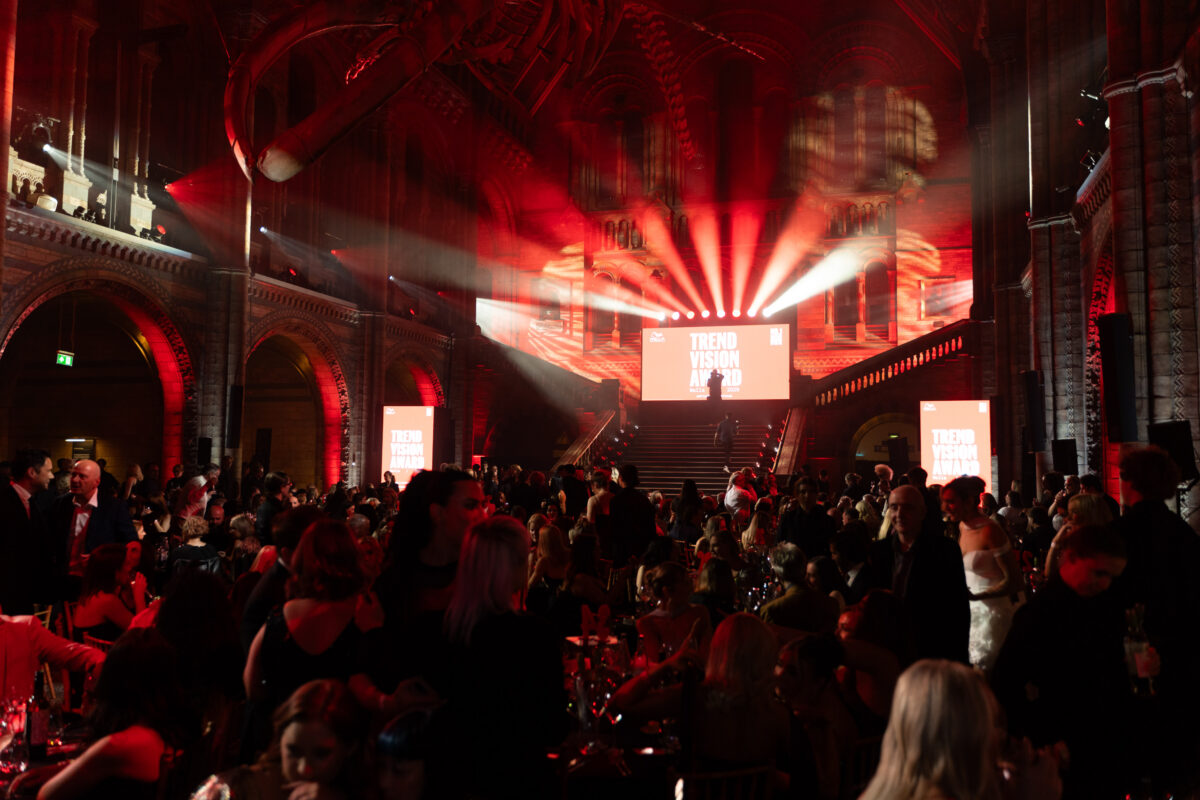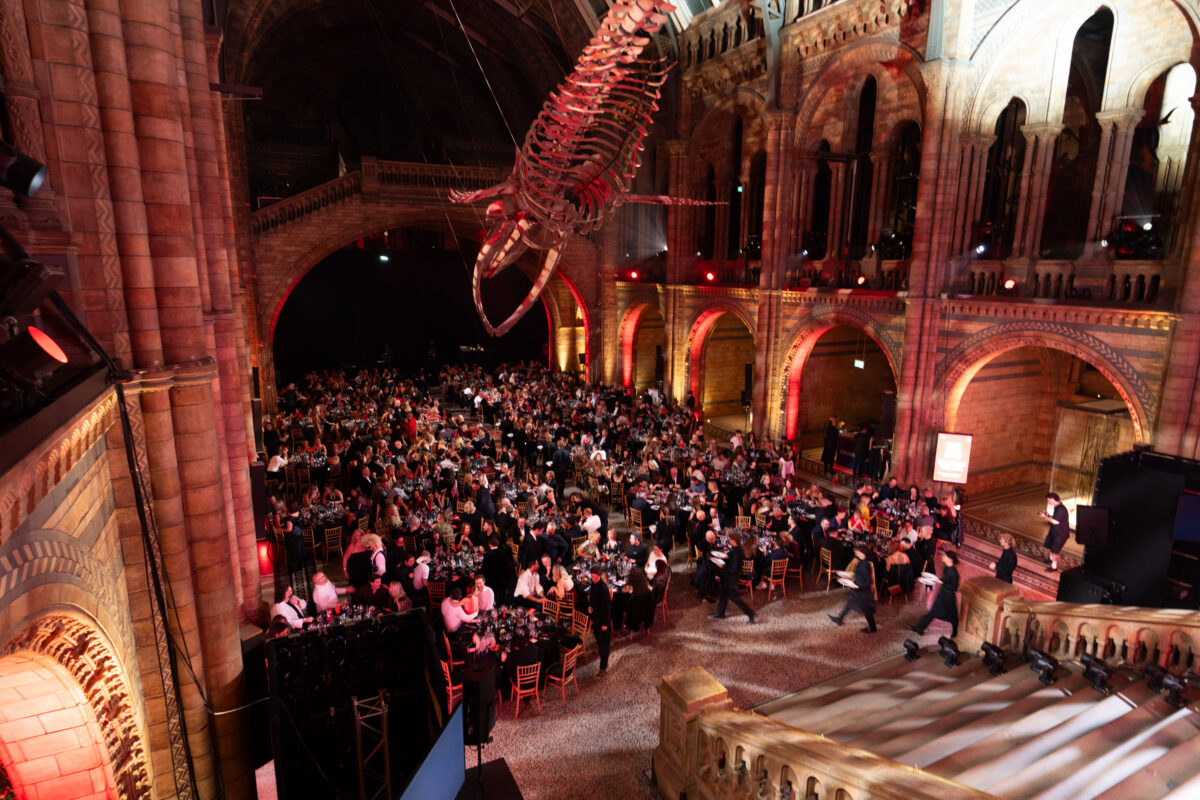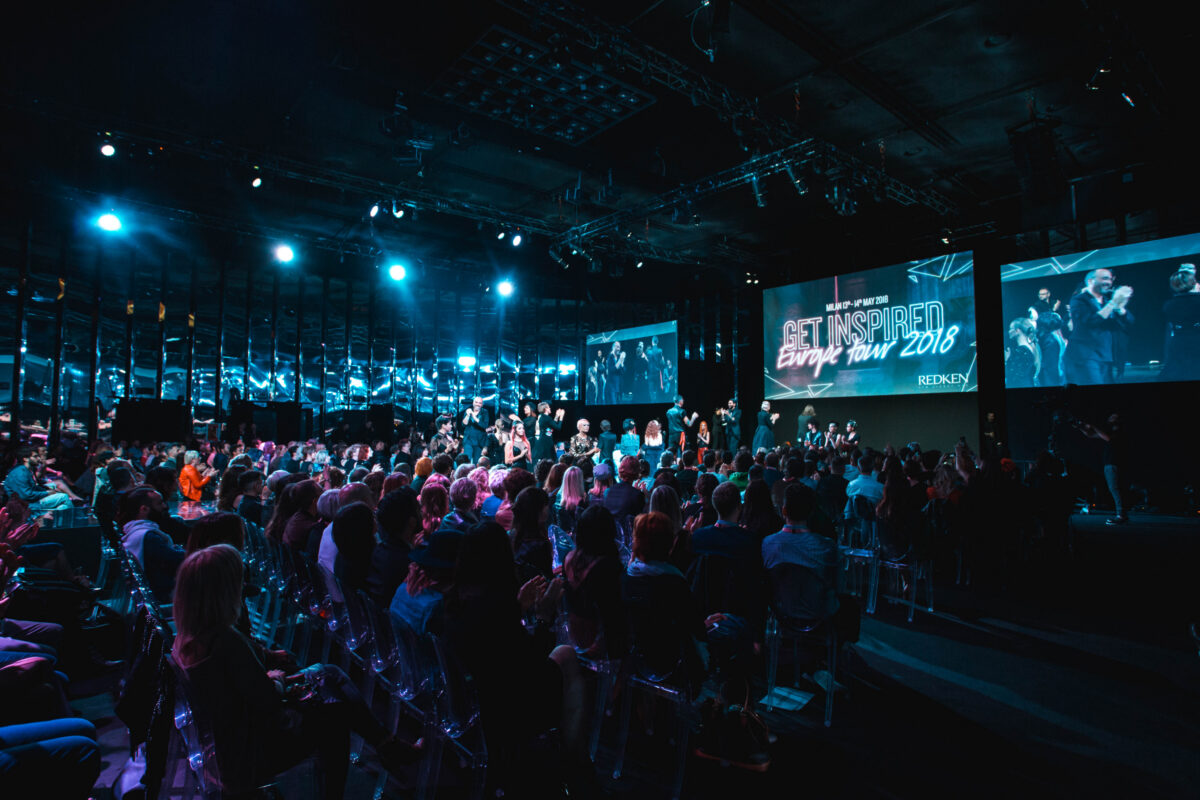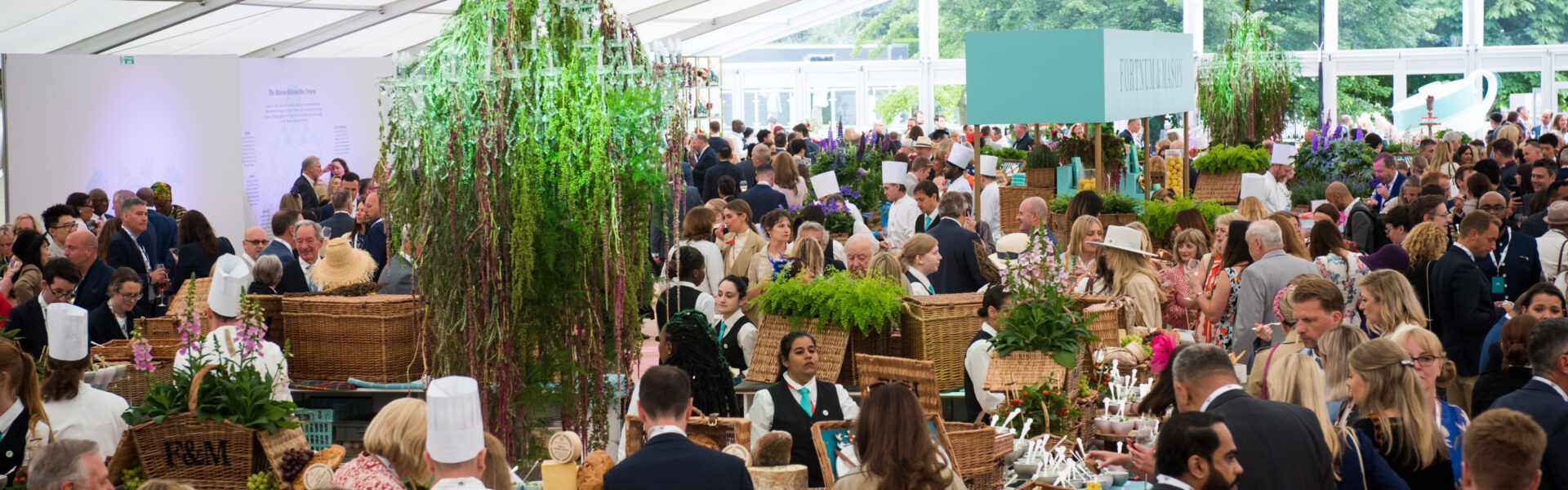
Events are often remembered for the atmosphere they create.
The energy in the room. The conversations that happen between guests. The content people share long after the experience ends.
But while these moments matter, they don’t tell the whole story.
Wolf & White creates immersive experiences designed to connect audiences with brands in meaningful ways. We know that behind every successful event sits a clear objective, a considered event strategy and a framework for measuring success.
Whether you’re planning a product launch, brand activation or experiential marketing event, understanding event ROI helps you evaluate the impact your event has on your audience and your wider business goals.
Without measurement, even the most memorable event can become difficult to justify. With the right approach, you can understand what worked, demonstrate value and create even stronger experiences in the future.
What is event ROI?
Before exploring how to measure event ROI, it’s important to understand what it actually means.
Event ROI refers to the value generated by an event compared to the investment required to deliver it.
Traditionally, ROI was measured through financial return alone. Today, event measurement is often much broader.
Many events are designed to achieve objectives that go beyond immediate revenue generation, including:
Building brand awareness
Creating visibility is often a key objective for experiential events and brand activations. Success may be measured through audience reach, media coverage and social engagement.
Increasing audience engagement
Audience engagement is one of the strongest indicators of how effectively an experience connected with attendees. Participation, interaction and content sharing can all contribute to measuring impact.
Generating leads and opportunities
For many brands, events create opportunities to start conversations, build relationships and generate qualified leads.
Strengthening customer relationships
Events can help build loyalty, deepen brand affinity and create emotional connections that continue long after the experience has ended.
The most effective event measurement framework aligns directly with the objectives established before the event begins.
Why measuring event ROI matters
As budgets come under increasing scrutiny, businesses need clear evidence that events are delivering meaningful outcomes.
Measuring ROI provides visibility into what worked, what could be improved and where future opportunities exist.
It also helps demonstrate the value of an experiential marketing event beyond attendance alone.
A successful event should contribute towards wider business objectives rather than exist as an isolated moment.
72% of marketers identify events as their most effective marketing channel. When you understand the impact your event has created, you can make more informed decisions about future event planning and investment.
Define success before the event begins
One of the most common mistakes in event measurement happens before the event even starts.
Success is often discussed after delivery rather than defined before it.
An effective event strategy begins with clear objectives.
These objectives create a benchmark against which event success can be measured.
Different events require different metrics.
- A lead generation event may focus on conversions and pipeline value.
- A luxury brand activation may focus on audience sentiment, content creation and engagement.
- An internal event may focus on participation and feedback.
When objectives are established from the outset, measuring ROI becomes significantly more meaningful.
Attendance only tells part of the story
Attendance remains one of the most commonly reported event metrics.
While attendance is useful, it rarely provides a complete picture.
A packed venue doesn’t automatically mean an event was successful.
Equally, a smaller audience may generate stronger business outcomes and deeper audience engagement.
When measuring event ROI, attendance should be considered alongside:
- Audience engagement
- Session participation
- Content interaction
- Networking activity
- Lead quality
- Post-event actions
Meaningful ROI is measured through impact rather than volume alone.
Measuring audience engagement
Audience engagement provides valuable insight into how attendees experienced your event.
Highly engaged audiences are often more likely to remember content, develop stronger emotional connections and take action after the event.
For experiential events, engagement is often one of the clearest indicators of success.
Metrics may include:
- Session attendance
- Audience participation
- Poll responses
- Q&A activity
- Content downloads
- App interactions
- Social media engagement
Research shows engaged event attendees are significantly more likely to develop positive perceptions of a brand. Strong engagement suggests your audience didn’t simply attend the event. They actively participated in it.
Measuring brand impact
Not every event is designed to generate immediate revenue.
Many experiences focus on building awareness, strengthening positioning and creating memorable brand interactions.
Brand impact can be measured through:
- Brand awareness surveys
- Audience sentiment
- Media coverage
- Social media reach
- Content creation
- Share of voice
- Brand recall
These indicators help demonstrate how effectively an event influenced audience perception.
91% of consumers say experiences increase their likelihood to buy. For many lifestyle, beauty and luxury brands, these outcomes can be just as valuable as direct commercial returns.
Measuring commercial outcomes
For some events, commercial performance remains the primary objective.
This is particularly true for product launches, lead generation campaigns and corporate events.
Commercial metrics may include:
- Qualified leads
- Pipeline value
- Sales opportunities
- Customer acquisition
- Revenue generated
- Customer retention
- Partnership opportunities
Understanding how event activity contributes to wider business performance helps create a more complete picture of ROI.
If you’re asking, “How do you calculate ROI for an event?”, commercial metrics often form part of the answer, but they shouldn’t be viewed in isolation.
The role of event production in ROI
Event production has a direct influence on event success.
Every touchpoint contributes to how an audience experiences a brand.
From creative concept development and venue design to logistics and delivery, every decision influences engagement and perception.
Poor execution can undermine even the strongest creative idea.
Strong event production creates environments that encourage participation, interaction and emotional connection.
ROI isn’t simply measured after an event.
It is shaped throughout the event planning and production process.
That’s why the most successful experiences balance creativity with meticulous execution from the very beginning.
Looking beyond short-term results
Some of the most valuable outcomes aren’t immediately visible.
Brand perception, loyalty and customer relationships often develop over time.
Events can continue generating value long after the experience has ended.
This may include:
- Ongoing content engagement
- Future business opportunities
- Repeat attendance
- Customer advocacy
- Long-term brand recall
64% of consumers say positive feelings towards a brand continue for at least a month following an event experience. When considering how events deliver long-term brand value, these outcomes often provide some of the strongest evidence of impact.
The future of event measurement
As technology evolves, event measurement continues to become more sophisticated.
Brands now have access to more data than ever before.
However, successful event measurement isn’t about tracking more metrics.
It’s about tracking the right metrics.
The most effective event strategies balance quantitative data with qualitative insights.
Numbers help tell part of the story.
Understanding how your audience felt, engaged and responded helps complete it.
The future of event ROI lies in measuring experience as well as performance.
Event ROI is about more than proving value
It’s about understanding impact.
Attendance, audience engagement, brand perception and commercial outcomes all contribute to a complete picture of event success.
The strongest events begin with clear objectives, thoughtful event strategy and meaningful measurement frameworks.
When creativity, event production and audience experience align, measuring ROI becomes clearer, more valuable and far more actionable.
Ready to create an event that delivers measurable results?
Wolf & White creates experiences designed around measurable objectives, audience engagement and meaningful outcomes.
Whether you’re planning a brand activation, corporate event or experiential marketing event, we’ll help you create an experience that delivers value long after the event has ended.
Get in touch to discuss your next project.