Great event design starts long before the lights come up or the first guest arrives. It starts with a story.
Storytelling gives every element a purpose, connecting space, visuals, content and interaction into one coherent experience.
When the story is strong, an event doesn’t just look impressive. It means something.
What does storytelling mean in event design?
Storytelling in event design turns an idea, brand message or ambition into an experience your audience can move through, interact with and feel.
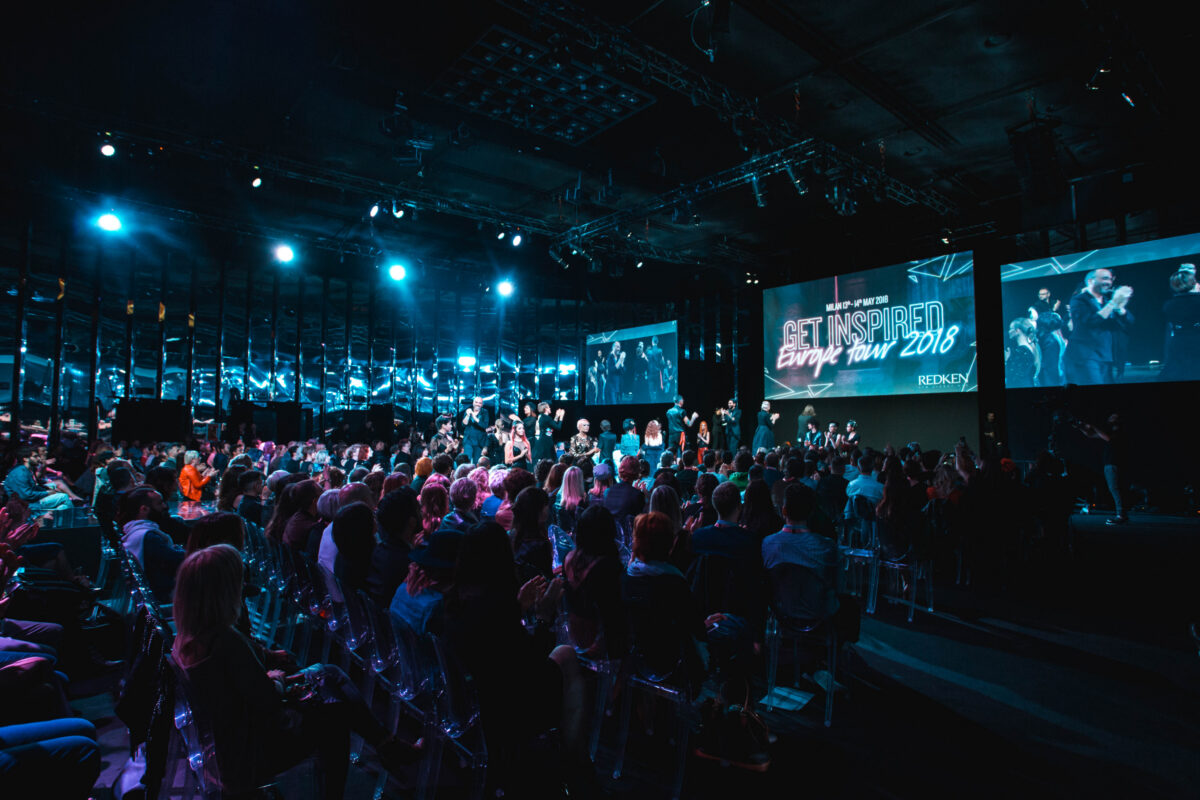
That journey can begin before guests arrive. Event promotion builds anticipation, arrival sets the tone, lighting changes the mood and live content creates focus. Every element plays a different role, but they’re all telling the same story.
That’s what gives an event its identity.
What are the first steps of event design?
Start with what you want your audience to think, feel or do.
Once you know the outcome, you can build the creative direction around it. That central idea guides decisions about the venue, content, lighting and interaction.
Whether you’re creating experiential events, brand experiences or other experience events, clarity comes first.
What’s the purpose of storytelling in event design?
Storytelling gives your event direction.
Without a clear narrative, individual elements can look beautiful but still feel disconnected. A strong story makes every decision support the same idea.
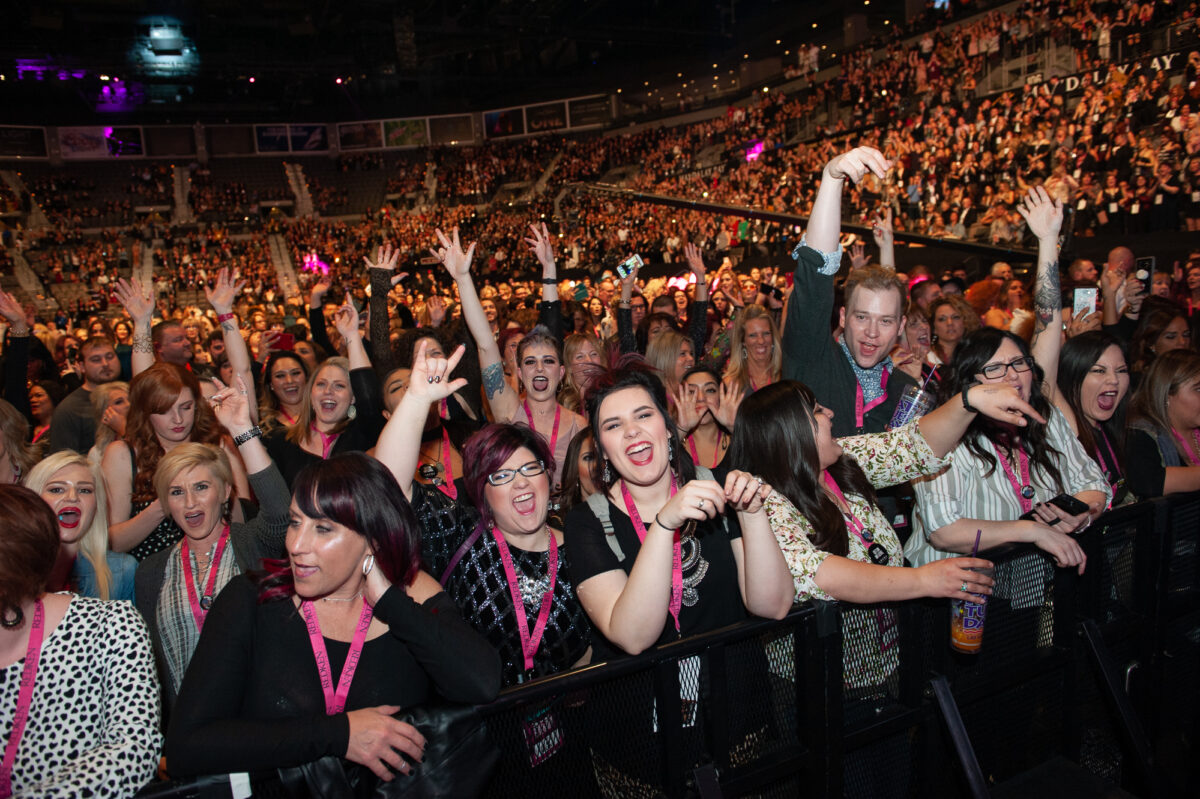
It also shapes emotion. You might want your audience to arrive curious, become energised and leave feeling connected to the brand.
That makes the experience a powerful form of brand communication. Instead of simply telling people what a brand stands for, you let them experience it.
How to determine event narrative?
Start with the change you want your audience to experience.
Where are they when they arrive and where should they be when they leave?
They might enter knowing little about a new product and leave understanding why it matters. They might start as spectators and become active participants.
That shift becomes your narrative.
Then identify the moments that move the story forward. Decide where energy should build, where people should pause and which moment should create the greatest impact.
The narrative doesn’t need to be complicated. It needs to be intentional.
In that sense, event design becomes a form of narrative art, using space, sound, content and interaction to communicate without relying on words alone.
Give your event a narrative arc
The strongest experiences have rhythm.
A simple narrative might move through anticipation, arrival, discovery, build, a defining moment and an afterglow.
That doesn’t mean every event needs theatrical drama. An intimate dinner, conference, product launch or immersive brand experience will each need a different pace.
What matters is knowing where the audience journey is going so you can design how it gets there.
Make every event design decision part of the story
A narrative becomes powerful when it reaches the details.
The material someone touches. The light they see. The moment a screen changes or a performer appears.
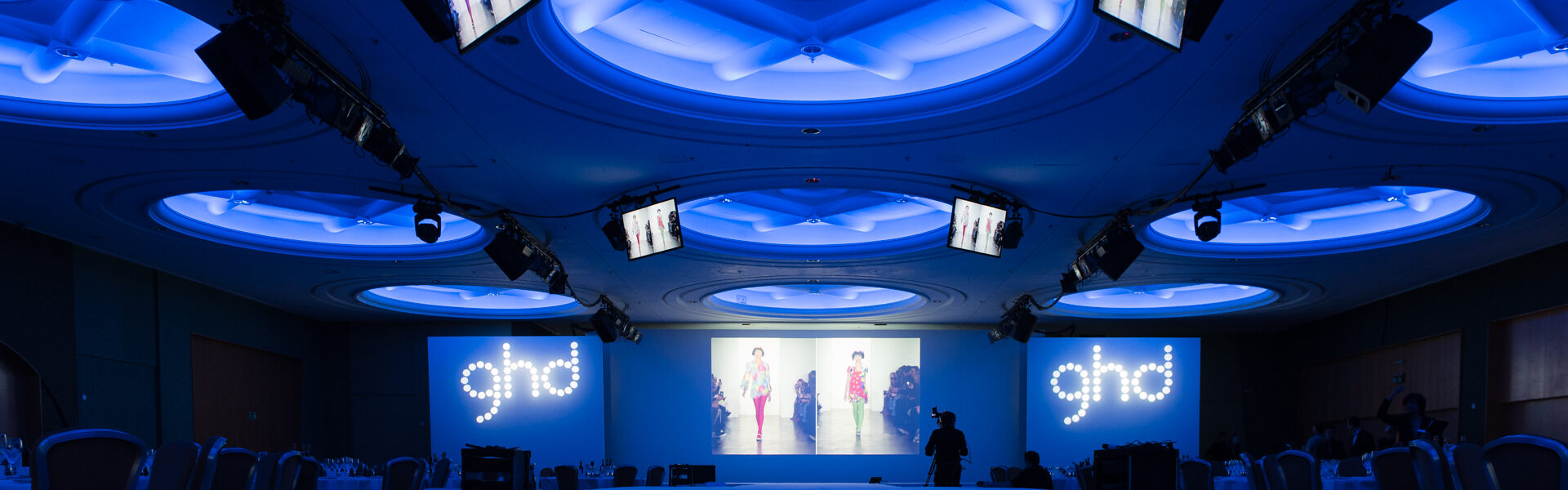
Space can reveal the story gradually. Lighting can shift the mood in seconds. Sound can create tension, warmth or energy.
Content matters too. When presentations, films, speakers, technical production and creative direction work together, the experience feels considered rather than assembled.
Create one story, not identical moments.
Consistency doesn’t mean repeating the same logo, colour or message everywhere.
A strong story gives you a creative framework instead.
Your arrival can feel atmospheric, the main show can feel energetic and a hospitality space can feel intimate while every element still belongs to the same world.
That’s how you create memorable brand experiences rather than simply branding a room.
The story shouldn’t end when the event does
A great live experience continues beyond the venue.
Photography, video and social content can carry the story further while your event promotion can build anticipation before it begins.
Post-event storytelling can also reinforce your brand message long after the doors close.
When you design the live experience and its content together, the story keeps moving.
Build an experience people can feel
Great storytelling in event design comes down to clarity and connection.
Wolf & White combines creative thinking, event design and meticulous production to turn ideas into memorable live experiences.
We create every experience around a clear idea, giving each detail a purpose and your audience a reason to care.
Because the events people remember aren’t simply the ones they attended.
They’re the ones they felt part of.
Ready to turn your next event into a story worth experiencing? Get in touch and let’s create it together.